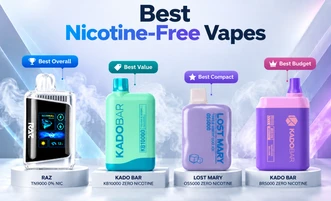
If you have recently switched from smoking or you are simply curious about the experience, learning how to vape the right way from day one makes everything easier, smoother, and far more enjoyable. The difference between a great first session and a coughing fit usually comes down to a few small habits: choosing a beginner-friendly device, picking the correct nicotine strength, and using the proper inhaling technique. This guide walks you through all of it in plain.
By the end, you will understand what a disposable vape actually is, how the parts fit together, how to inhale the right way, and how to keep your device running well. Everything here is written for adults of legal age (21+ in the United States) who want a clear, honest starting point.
Table of contents
Key Takeaways
- Vaping heats e-liquid into an inhalable vapor instead of burning tobacco, so there is no smoke and no combustion.
- A vape has four core parts: a battery, a tank or pod, a coil (the heating element), and e-liquid.
- The three inhaling styles are mouth-to-lung (MTL), direct-to-lung (DTL), and restricted direct-to-lung (RDTL).
- Matching your nicotine strength to your device and inhaling style is the single biggest factor in a comfortable experience.
- Priming your coil, vaping slowly, and basic maintenance prevent dry hits, burnt tastes, and most beginner frustrations.
What Is Vaping? (And How Is It Different From Smoking?)
Vaping is the inhalation and exhalation of a flavored vapor produced by an electronic device, commonly referred to as a vape or e-cigarette. The device heats a liquid to the point it vaporizes, but without burning any tobacco.
That distinction matters when you are learning how to vape, because it shapes everything from the device you pick to the way you inhale. A traditional cigarette relies on combustion, which means it burns and produces smoke, tar, and ash. A vape produces no smoke because nothing is set on fire. The vapor is created from e-liquid, which is typically made of propylene glycol (PG), vegetable glycerin (VG), food-grade flavoring, and nicotine if you choose it. You control the flavor and the nicotine level, and plenty of e-liquids contain no nicotine at all.
How Does a Vape Work? The Parts of a Vape Explained
Once you understand how rechargeable disposable vapes work, the rest of vaping becomes intuitive. Every device, from a slim disposable to a refillable kit, follows the same basic principle: a battery sends power to a coil, the coil heats e-liquid held in a tank or pod, and you inhale the resulting vapor through a mouthpiece.
Here are the four parts to know:
- Battery: The power source. It can be built in and rechargeable by USB, or it can use a removable cell in larger devices. The battery controls the amount of power that goes to the coil.
- Tank or pod: The container for your e-liquid. Pods are usually small and beginner-friendly, while tanks tend to hold more liquid and offer adjustable airflow.
- Coil (atomizer): The heating element. A wick soaks up e-liquid, and the coil warms it into vapor. Coils wear out over time and need replacing.
- E-liquid: The flavored liquid that becomes vapor. Buy it only from a reputable seller, since quality and accurate labeling matter.
Combine all four as one system, and you have a working vape. For beginners, an all-in-one kit removes the guesswork because every part is already matched and compatible.
Types of Vapes for Beginners
Choosing the right device shapes your entire experience, so start with something simple. The easiest way to learn how to vape is to begin with a device that needs little setup, and knowing how to use vape hardware, this basic task takes only a minute. Vape Bar USA carries several beginner-friendly categories worth comparing:
- Disposable Vapes: Prefilled and ready to use straight out of the box. No charging setup, no filling, no coil changes. Ideal for a first try.
- Prefilled Pod Systems: A small rechargeable battery paired with prefilled pods you snap in and replace. Clean and low-maintenance.
- Refillable Pod Kits: You add your own e-liquid and swap coils or pods. A great next step once you know your preferred flavor and strength.
- Vape Pens and all-in-one (AIO) Kits: Slightly larger, often with a bit more battery life and vapor, while staying easy to operate.
A simple device is never inferior; it is just easier to enjoy. Most beginners are happiest starting with a disposable or a prefilled pod, then moving to a refillable kit later.
Vaping Step by Step (Beginner Setup)
Knowing how to use a vape comes down to preparation, and figuring out how to vape for the first time is simpler than most people expect. If you are wondering how to use a vape pen for the first time specifically, the same steps apply. Follow these and your first session will be smooth.
- Make Sure the Battery is Fully Charged: Consistent vapor is ensured by a full charge. Use a regular USB port and the cable that came with your device.
- Fill or Insert Your Pod: With a prefilled pod or disposable, just click the pod into place. With a refillable kit, add e-liquid and close it securely.
- Prime the Coil: This is the step beginners skip most often. Let a freshly filled pod or new coil sit for 5 to 10 minutes so the wick fully absorbs the liquid. Priming prevents a harsh, burnt "dry hit."
- Choose Your Nicotine Strength: Match it to your habits (more on this below). Starting too high is the top cause of coughing and lightheadedness.
- Take Your First Puff: Many beginner devices are draw-activated, meaning they turn on automatically when you inhale. If yours has a button, hold it a moment before drawing. Keep that first puff gentle and short.
If your device came with a manual, read it. Instructions vary slightly between models, and the manual often includes a helpful filling diagram.
The 3 Vaping Inhalation Techniques (MTL, DTL, RDTL)
For a comfortable vaping experience, the most crucial skill is learning how to inhale correctly. People often ask how to properly inhale vape clouds without coughing, and the honest answer is that there are three main techniques. Your device and nicotine strength will determine which one is best for you.
Mouth-to-Lung (MTL)
MTL is how most former smokers learn how to hit a vape, because it mimics the feel of a cigarette. The draw is tight, more like sucking through a thin coffee stir-straw than gulping air. This style is the easiest way to learn how to inhale vape clouds gently, and it pairs best with smaller devices, higher-resistance coils, and higher nicotine.
To do it:
- Pull the vapor into your mouth with a steady, slow draw.
- Hold it briefly in your closed mouth for a second or two.
- Breathe the vapor down into your lungs, then exhale.
Direct-to-Lung (DTL)
DTL means drawing vapor straight into your lungs, the way you would take a deep breath. The draw is airy and open. It produces bigger clouds and works best with higher-powered devices, low-resistance coils, and low or zero nicotine. This style suits more experienced users.
To do it:
- Inhale deeply and pull vapor directly into your lungs, skipping the mouth-hold.
- Exhale smoothly soon after.
Restricted Direct-to-Lung (RDTL)
RDTL sits between the other two. You draw into your lungs, but with more restriction than a full DTL pull, which gives a smoother, more controlled hit with moderate clouds. It works well on adjustable pod kits and devices with airflow control.
To do it:
- Inhale into your lungs with airflow more restricted than a full direct draw.
- Exhale slowly for a balanced release.
If you are not sure which style fits, let nicotine be your guide. Higher nicotine suits MTL, while lower nicotine suits DTL. So how do you inhale a vape comfortably no matter the device? This is the heart of how to inhale a vape properly: tighter draw with stronger liquid, airier draw with milder liquid. The same rule answers how to properly hit a vape and how to hit a vape properly, since the draw and the strength always need to match.
Nicotine Strength and Airflow: Getting the Right Hit
Getting nicotine right is where most beginners either succeed or struggle. As a general guide:
- Higher nicotine (around 20 to 50 mg, usually nicotine salts): Best for low-power MTL pods and disposables. Smooth at high strength and quick to satisfy a craving.
- Medium nicotine (about 6 to 12 mg): A flexible middle ground for pod kits.
- Lower nicotine (0 to 6 mg, usually freebase): Best for higher-power DTL devices that produce big clouds.
Start at the lower end of whatever range fits your smoking history, then adjust. Too much nicotine causes coughing, a head rush, or a sore throat, which is why understanding how to vape properly always includes matching strength to the device.
Airflow and power round out the experience. A tighter airflow with modest power (roughly 8 to 15 watts on a high-resistance coil) concentrates flavor and suits MTL. A wide-open airflow with more power (often 30 to 50 watts on a sub-ohm coil) produces clouds and suits DTL. Many beginner pods set this for you automatically, so you can simply enjoy the draw.
One useful tip: vapor takes a few seconds longer than cigarette smoke to deliver its throat hit, so go slow and avoid rapid back-to-back puffs.
How to Vape Safely
Safe habits protect both you and your device. Knowing how to properly vape is not only about technique; it is also about handling your gear responsibly. Some people search for how to smoke a vape properly, but remember that vaping does not involve smoke at all, only vapor. Keep these points in mind:
- Buy Quality Products: Purchase devices and e-liquid from a reputable retailer so you know what you are inhaling.
- Store Smartly: Keep devices and e-liquid away from children, pets, direct sunlight, and extreme heat.
- Mind Your Intake: There is no need to chain-vape. Space out your puffs and listen to your body.
- Respect the Battery: Use the correct charger, avoid damaged batteries, and never leave a device charging unattended.
- Never Vape Anything That is not E-Liquid: Do not add oils, drinks, vitamins, or any homemade substance to a vape. Devices made for e-liquid are designed for e-liquid only.
Vapes are intended for adults, generally as a smoke-free alternative for people who already use nicotine. They are not wellness products.
Vape Maintenance and Troubleshooting
A little upkeep goes a long way. To keep flavor fresh and vapor consistent:
- Replace Coils on Schedule: A coil that tastes muted or burnt is worn out. Most last several days to a couple of weeks depending on use.
- Clean Refillable Devices: Wipe the connections and pod contacts to prevent residue buildup.
- Charge Correctly: Recharge before the battery fully drains for steadier performance.
If you run into trouble, the cause is usually simple:
- Burnt or Dry Hits: You skipped priming, the coil is worn out, or your e-liquid ran low. Re-prime, replace the coil, or refill.
- Coughing: Your nicotine is likely too high, or you are drawing too hard. Step down a strength and soften your puff.
- Weak Vapor: Check your battery charge, your e-liquid level, and that the pod is seated correctly.
Common Beginner Mistakes to Avoid
A few easy fixes prevent most early frustration, and avoiding them keeps your first weeks comfortable:
- Chasing Clouds Too Soon: Big DTL clouds need low nicotine and the right hardware. Start with comfort, not volume.
- Choosing the Wrong Nicotine Level: Too high overwhelms you; too low leaves cravings. Adjust gradually.
- Vaping too Fast: Rapid puffs cause coughing and dry hits. A slower pace almost always feels better.
- Forgetting to Prime: Five minutes of patience with a new coil saves a ruined first session.
Final Thoughts: Should You Start Vaping?
The decision to start is a personal one for adults, and it is usually made by people looking to move away from smoking. If that is you, the good news is that the basics come quickly. The path is straightforward: pick a simple, beginner-friendly device, choose a sensible nicotine strength, and use the inhaling technique that matches your setup. Master those three things, and the rest falls into place quickly.
When you are ready to choose a starter device or stock up on e-liquid, Vape Bar USA carries beginner kits, pods, and a wide range of flavors and strengths to match whichever style suits you best.
Frequently Asked Questions
How Should A Vape Be Inhaled Correctly?
When using mouth-to-lung, take the vapor into your mouth, hold it there for a short while, and then inhale it into your lungs. For direct-to-lung, inhale straight into your lungs. Matching your nicotine to the style keeps it comfortable.
Do You Inhale Vape Vapor, Or Just Hold It In Your Mouth?
You can do either. Inhaling delivers nicotine faster and gives a stronger throat sensation, while puffing and holding it in your mouth focuses on flavor. Many beginners start with a brief mouth-hold before inhaling.
How Can One Avoid Coughing When Using A Vape Pen For The First Time?
Choose a lower nicotine strength than you think you need, prime the coil, and take short, slow draws. Coughing almost always means the nicotine is too strong or the puff is too hard.
What Nicotine Strength Should A Beginner Use?
Heavier former smokers often start around 20 mg with nicotine salts in a small pod, while lighter users may prefer 6 to 12 mg. Begin low within your range and adjust from there.
Why Does My Vape Taste Burnt?
The coil is likely worn out, under-primed, or the e-liquid is low. Re-prime a new coil, refill the pod, and replace the coil if the taste continues.
Have vaping questions? Our vape guide has tips and how-tos to help. You can contact us by email at support@vapebarusa.com or call (860) 743-9697. We are here to support you!